Chemo Wigs and Scarves: A Practical Guide for Hair Loss
Chemo wigs and scarves are head coverings designed to conceal or manage hair loss caused by chemotherapy, offering both practical protection and emotional comfort. They range from realistic synthetic or human-hair wigs to soft scarves, caps, and wraps, allowing each person to choose based on comfort, budget, and personal style.
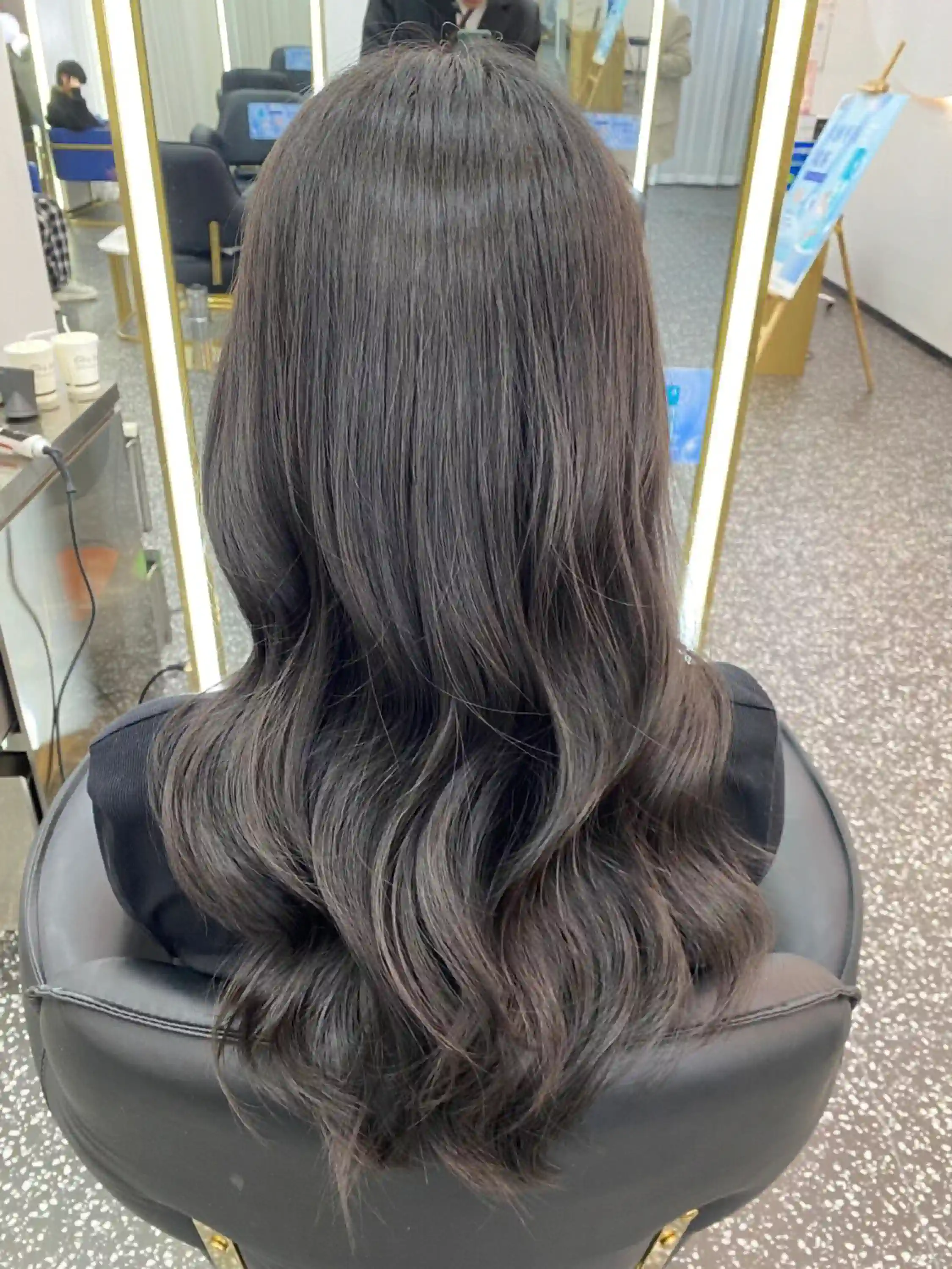
Why do people wear chemo wigs and scarves?
Hair loss is one of the most visible side effects of chemotherapy, and it can affect self-esteem and privacy. Wearing a wig or scarf helps many people feel more like themselves, whether they want a natural look or a colorful expression of personality. Scarves are also gentle on a sensitive scalp, while wigs provide full coverage and a familiar silhouette.
How do you choose between a wig and a scarf?
There is no single right answer—many people use both. A wig is often chosen for work, social events, or when someone prefers a low-maintenance, realistic appearance. Scarves, beanies, and turbans are popular for lounging, sleeping, or hot weather because they are lightweight and breathable. Consider your daily routine, the climate, and how much time you want to spend styling.
What should you look for in a chemo wig?
Look for a soft, breathable cap and adjustable straps for a secure fit. Synthetic wigs are affordable and easy to care for, while human-hair wigs look natural but cost more. If you are exploring textured or ethnic styles, you might search for Chinese wigs or other regional options, though quality varies by brand. Many cancer centers offer wig-fitting services or vouchers.
How do you care for wigs and scarves?
Wash wigs every few wears with gentle shampoo and let them air-dry on a stand. Scarves should be hand-washed in mild detergent to avoid irritation. Keep a soft cap underneath to reduce friction and protect your scalp.
Where can you find affordable options?
Hospitals, online retailers, and nonprofits often provide low-cost or free chemo wigs and scarves. Some organizations accept donations of gently used wigs. Ask your oncology nurse for local resources, and don't be afraid to try different styles until you feel comfortable.
常见问题
Can I wear a wig during chemotherapy?
Yes, many people wear wigs during chemotherapy. Choose a soft, breathable cap and avoid tight bands that can irritate a sensitive scalp. It's best to wait until your scalp feels comfortable, and consult your care team if you have any skin reactions.
How do I keep a scarf from slipping off?
Use a snug-fitting cotton cap or a velvet grip band underneath your scarf to prevent slipping. Tying the scarf with a secure knot or using pre-tied styles can also help. Practice a few different wrapping methods to find what stays put for you.
Are human hair wigs better than synthetic for chemo patients?
Human hair wigs look more natural and can be styled with heat, but they cost more and need more care. Synthetic wigs are affordable, easy to maintain, and come in many styles. The best choice depends on your budget, lifestyle, and comfort needs.